Iran has been in flames for the past two weeks, following a wave of protests after the death of Mahsa Amini - a woman who was beaten to death by the country’s ‘morality police’.
As always in Iran, football reflects what is happening in society, among the people.
Since the protests started, more and more footballers are voicing their unrest, and standing by the protesters and the women suffering in the Islamic republic.
'They are calling on FIFA to ban #Iran from the #WorldCup'
— i24NEWS English (@i24NEWS_EN) October 2, 2022
After players from the Iranian National Team expressed support for the #MahsaAmini protests, former player Hossein Mahini has been detained and has been restricted from leaving the country, @Levyninho tells @laura_i24 pic.twitter.com/gnRHqRAiho
It started with Bayer Leverkusen forward, Sardar Azmoun, who wrote on Instagram that, despite being limited with what he can see, he “can’t bear it anymore”.
“I'm not worried about being kicked out of the national team. It will never be erased from our consciousness. Shame on you! You kill easily. Long live the Iranian women!" he added.
Azmoun deleted his story shortly after, but it was an important step. Footballers have started to express their feelings.
Ali Karimi, once referred to as ‘the Persian Maradona’, has become a prominent critic of the regime, and has been forced to flee the country.
Azmoun and Karimi voiced their feelings during the recent international window, where Iran played beat Uruguay, and drew with Senegal.
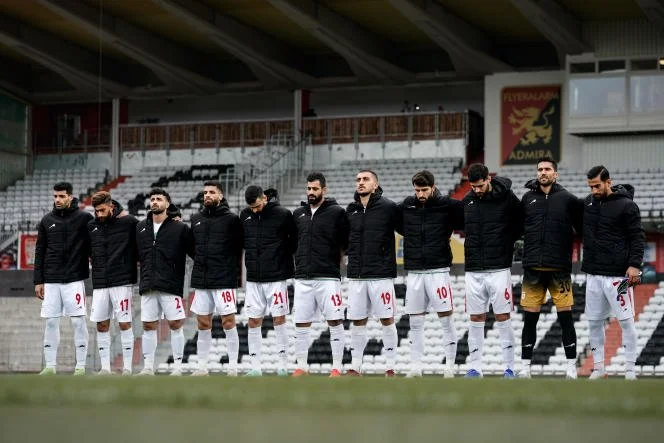
Before the match against Senegal, the Iranian squad wore black tracksuits during the national anthem. Azmoun, who started as a substitute, came on and scored Iran's equalizer.
Last weekend, things intensified, with reports of the arrest of footballers Kaveh Rezaei and Houssein Mahini.
While Rezaei's arrest still awaits confirmation, Mahini is confirmed to be behind bars.
There are also reports that Ali Daei, arguably Iran's greatest ever footballer, had his passport confiscated after reportedly saying that, “instead of repression, violence and arresting the Iranian people, solve their problems".
Not too long ago, Daei was the world's top goalscorer in international football, with 106 goals for Iran. Now he is unable to leave the country until further notice.
Alongside other famous figures, like actors and singers, it seems that the Iranian regime is targeting footballers, due to their public presence.
Still, Iran's players that play abroad continue to shout, and remind the world of what's going on in their country.
Kayserispor's Majid Hosseini and Porto's Mehdi Taremi, players who frequently appear in Iran's starting eleven, wore black wristbands during their teams' games this weekend.
Once again - our footballers made their positions clear: we support the #IranProtests and #مهسا_امینی .
— Persian Soccer (@prznsoccer) October 3, 2022
Our legionnaires wore black wristbands & did not celebrate.
Shahab Zahedi scored a goal today and kissed his black wristband in a tribute to the murdered & arrested in Iran. pic.twitter.com/IVYBrRZ1sX
The situation is far from a solution, with an increasing number of injuries and casualties.
While there are voices within the country saying that the United States and Israel are behind this wave of rage and protest, the struggle and battle for freedom are real.
Open Stadiums, a group of fans that have been at the front of the fight to get Iranian female fans full access to stadiums in the country, has already called on FIFA to ban Iran from the up-and-coming World Cup.
They’re currently heading to Qatar in just less than two months' time, with real turmoil back home.
This includes a group stage matchup with the US - a somewhat symbolic game.
It will be fascinating to see the outcome, both on and off the pitch.
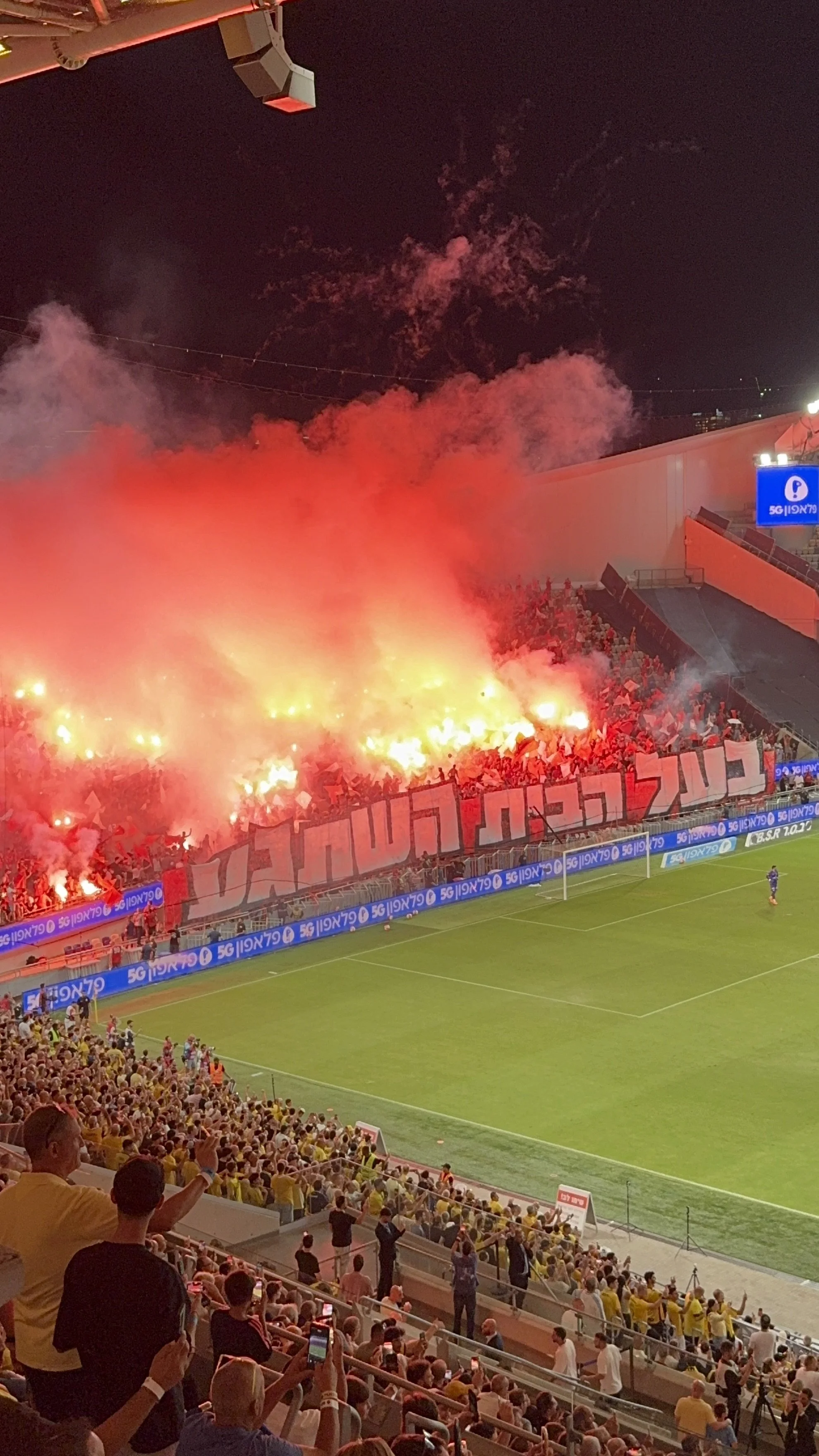
Maccabi Tel Aviv routed ten-man Hapoel 4-1 at Bloomfield, in a fiery derby marked by red cards and pyro chaos.
For the first time since Oct. 7, 2023, Palestinian club football returns this weekend as 226 teams compete across three war-scarred regions.
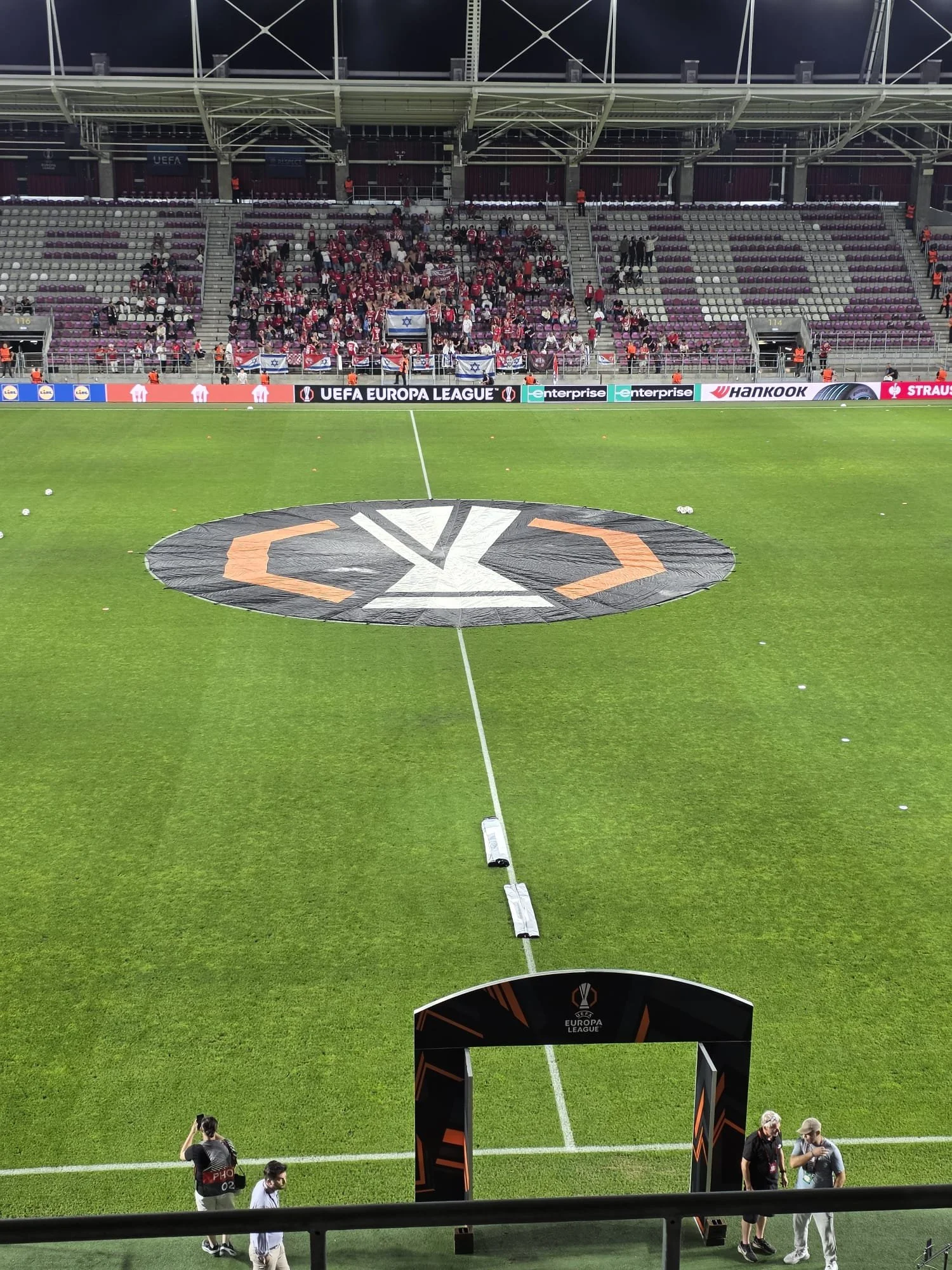
Hapoel Be'er Sheva drew 0-0 at Dinamo Zagreb to open their Europa League return, ahead of a brutal schedule and no home matches this season.
Maccabi Tel Aviv routed ten-man Hapoel 4-1 at Bloomfield, in a fiery derby marked by red cards and pyro chaos.
For the first time since Oct. 7, 2023, Palestinian club football returns this weekend as 226 teams compete across three war-scarred regions.
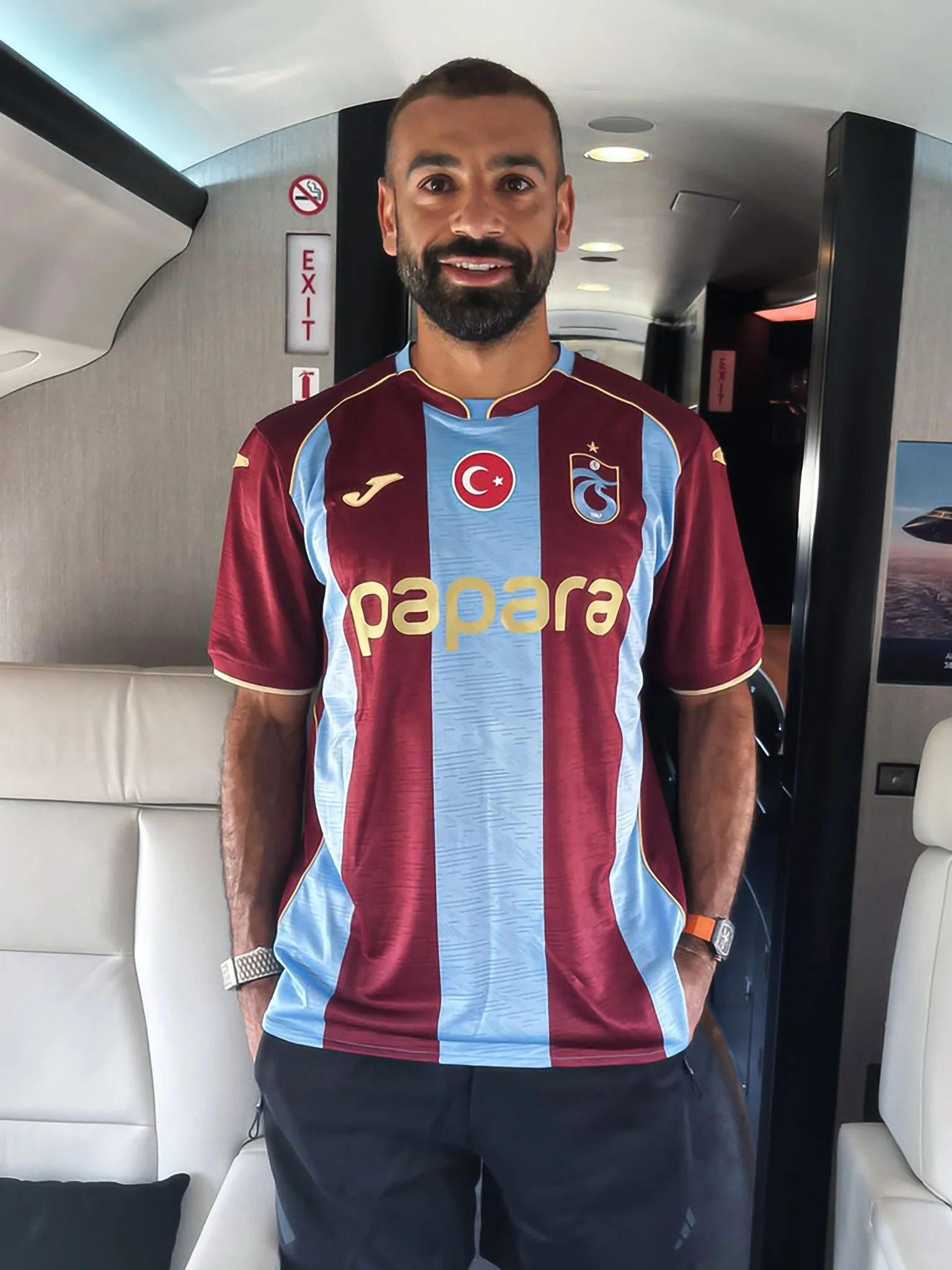
After nine years at Liverpool, Salah left for Trabzonspor — the money, the family, and the love of being the underdog all played their part.
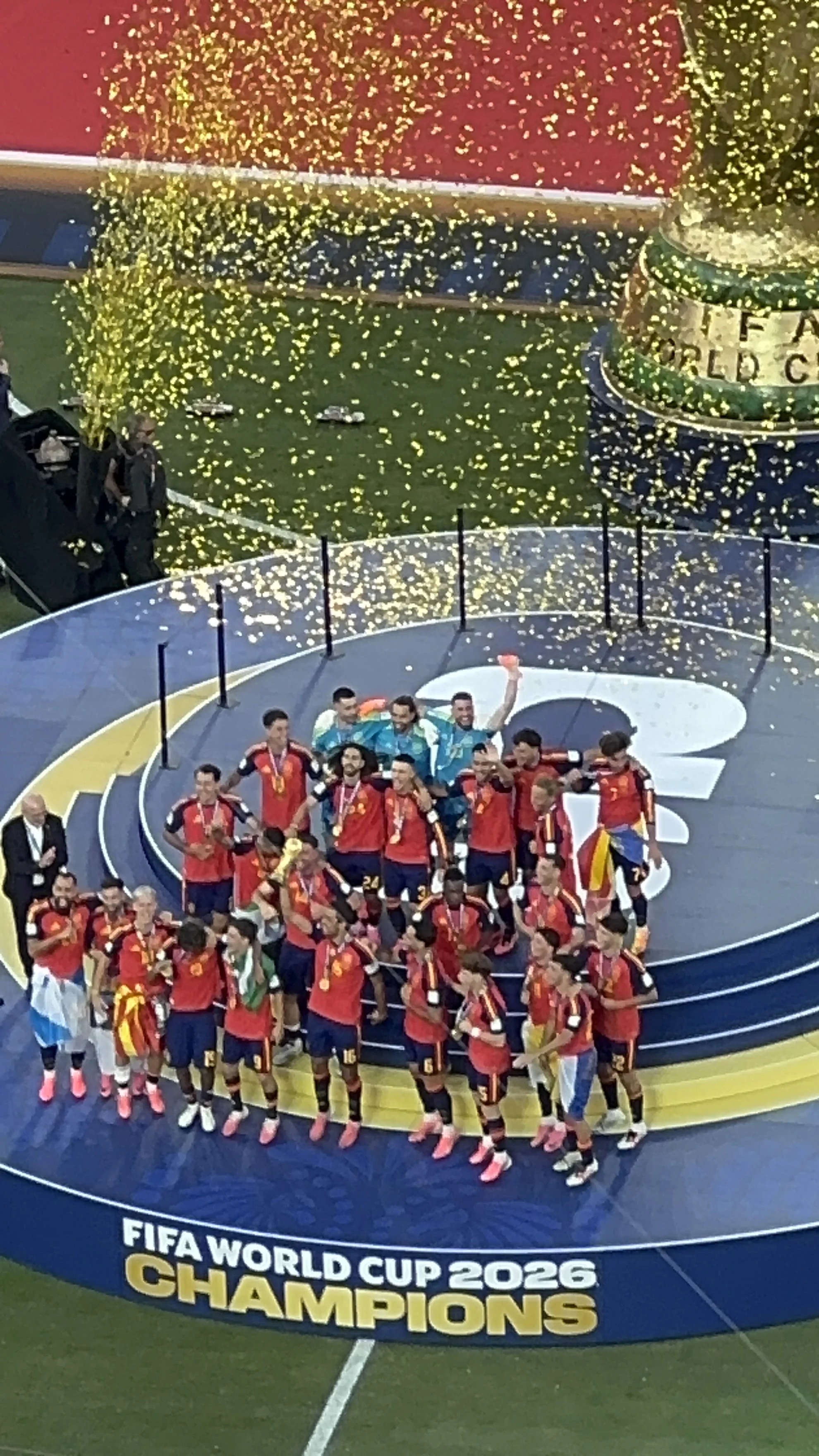
Spain defeated Argentina 1-0 in the 2026 World Cup Final, ending Lionel Messi's dream World Cup with heartbreak.
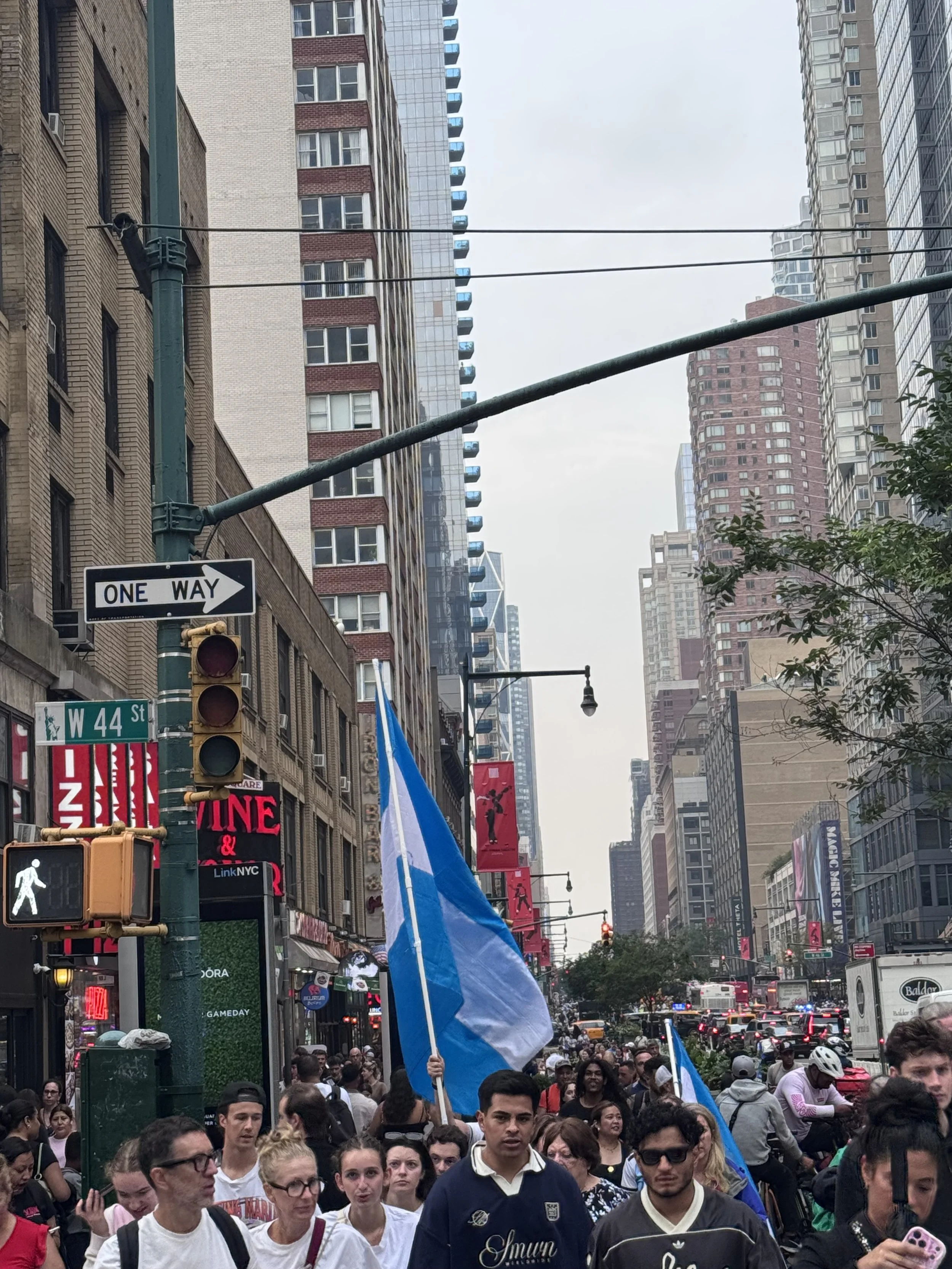
Thousands of Argentina fans transformed Times Square before the 2026 World Cup final, all united to thank Lionel Messi.
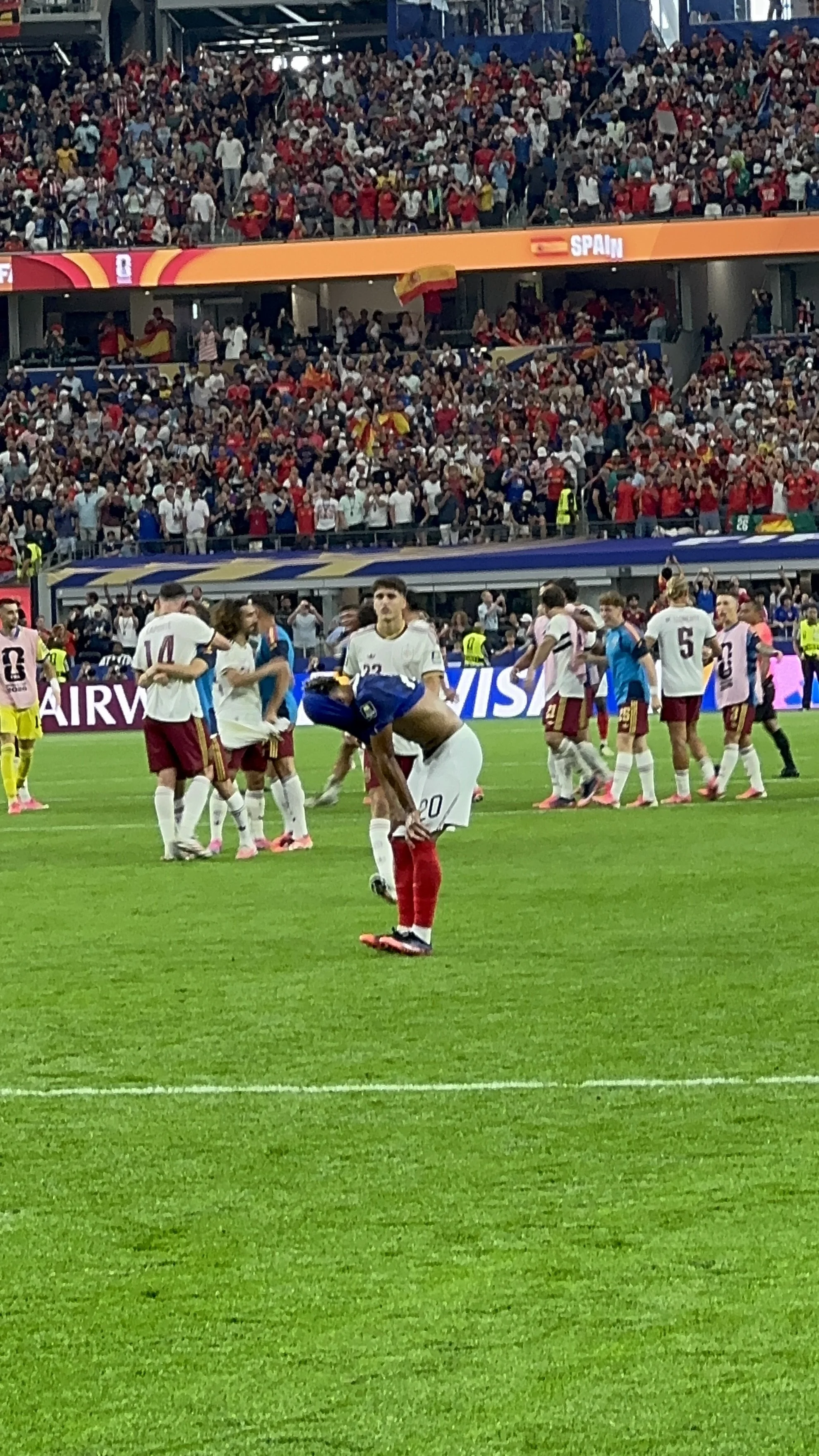
Spain were ruthless in Dallas as Oyarzabal and Dani Olmo starred, leaving France's Bastille Day to end in deep disappointment for Deschamps.
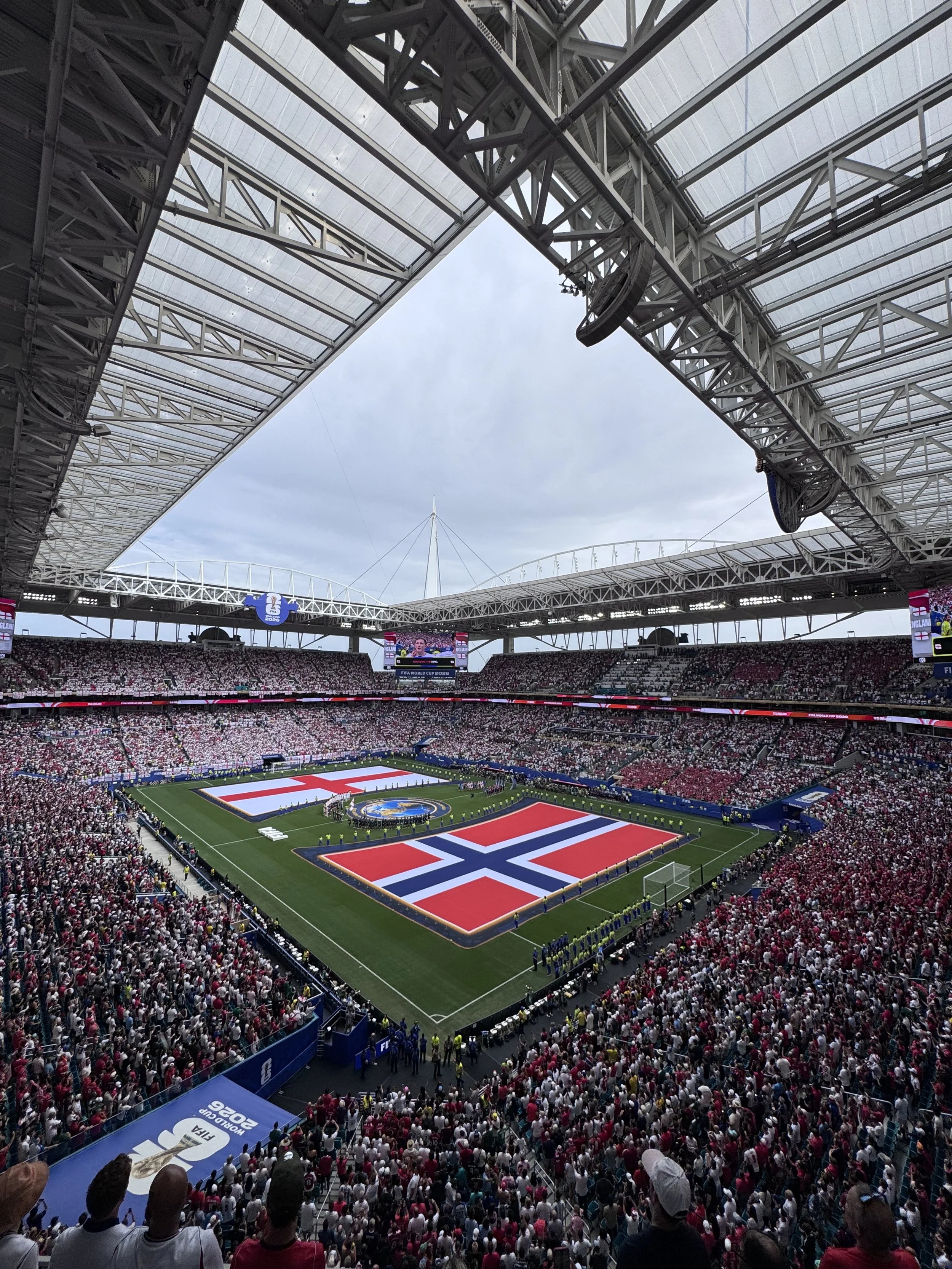
Norway outplayed England for most of a sweltering Miami classic, but two Bellingham strikes in extra time sent the Three Lions to the semis.

Egypt pushed Argentina to the limit in a 3-2 World Cup thriller, but left the pitch furious at the referee and convinced justice was denied.
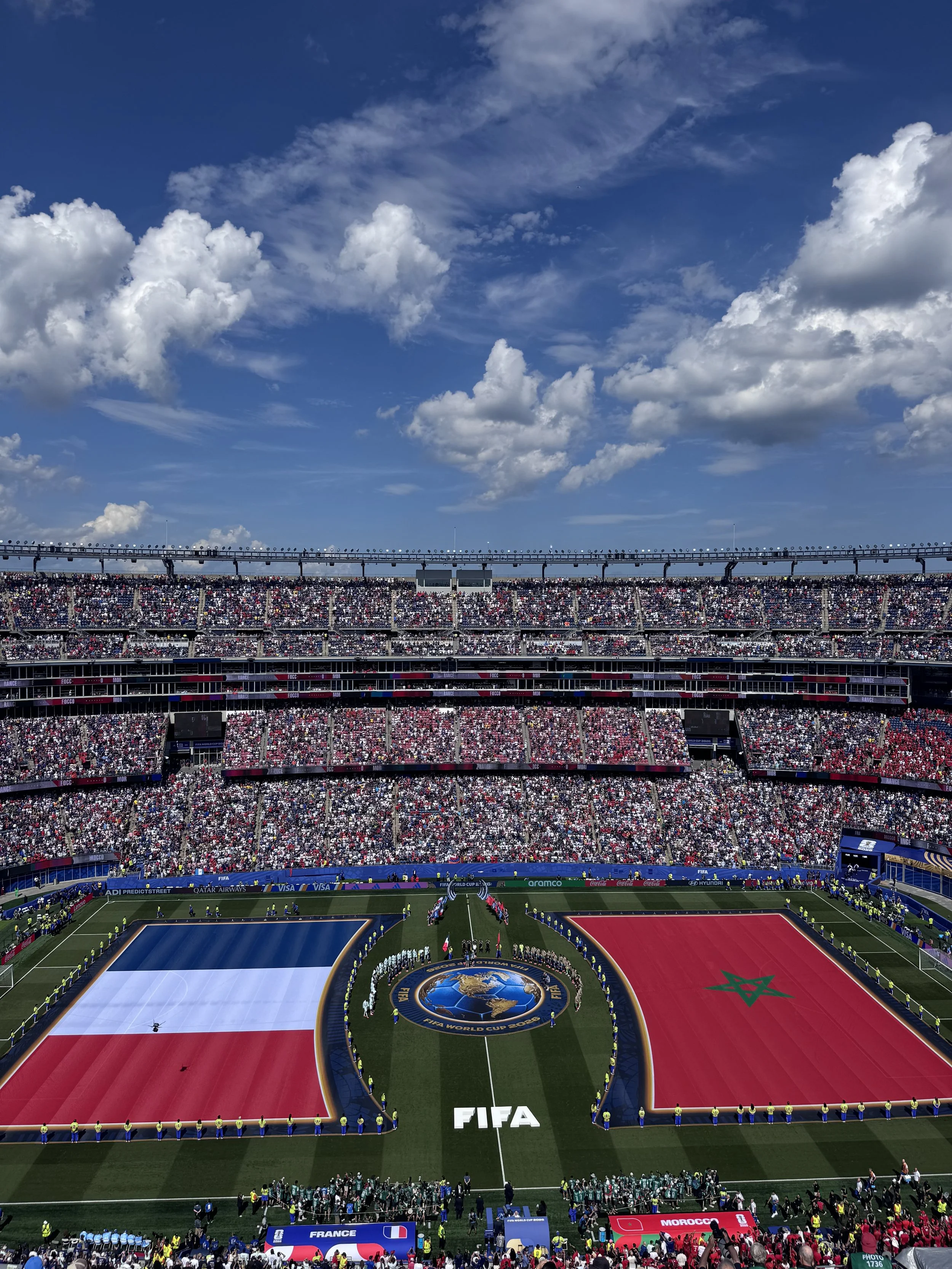
Ayoub Bouaddi chose Morocco over France at 18 and lit up a quarter-final about colonial history, dual identity, and what it means to belong.
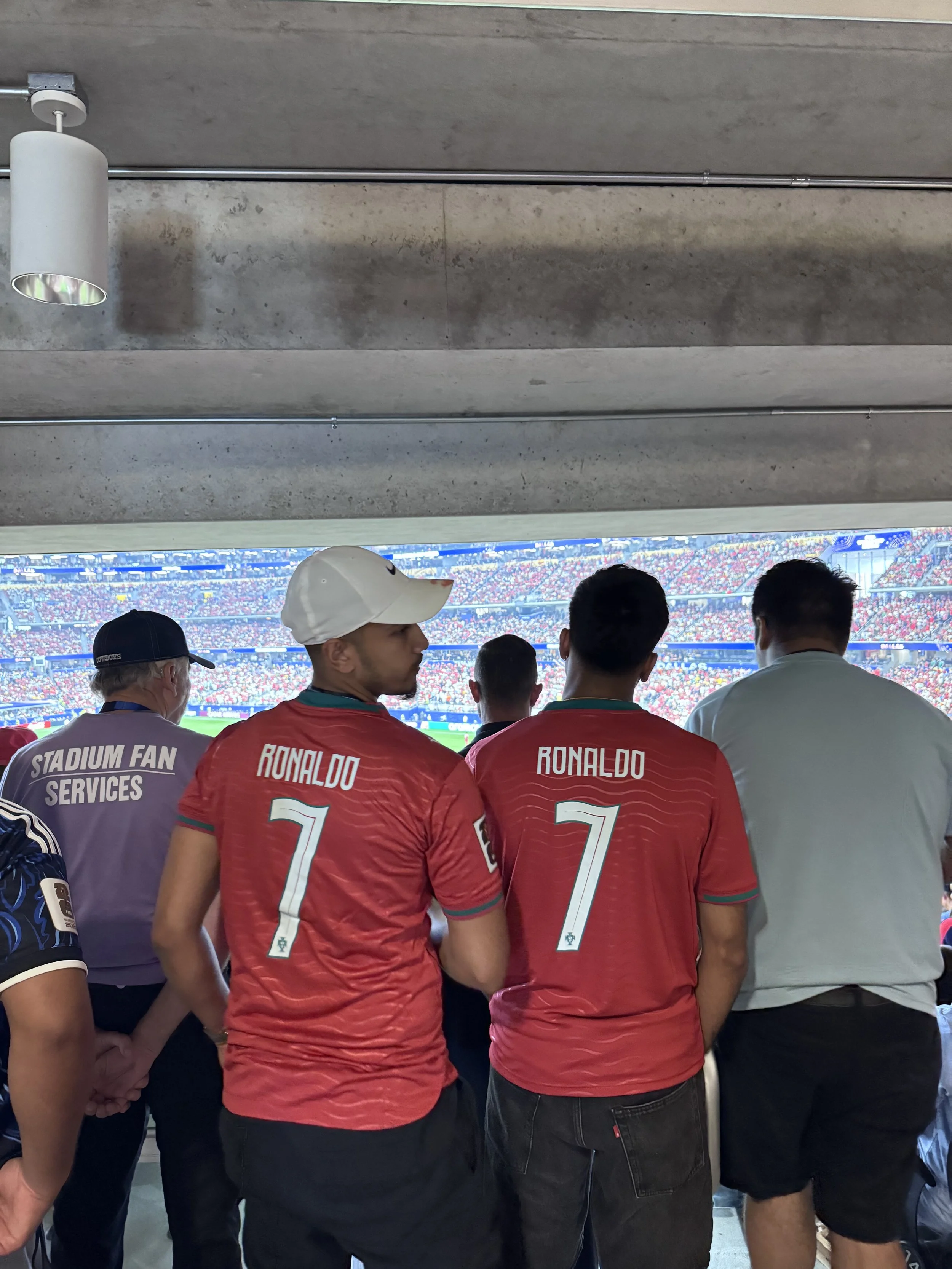
Merino's late goal gave Spain a 1-0 win over Portugal as Ronaldo left the World Cup stage in tears in what many believe was his final match.
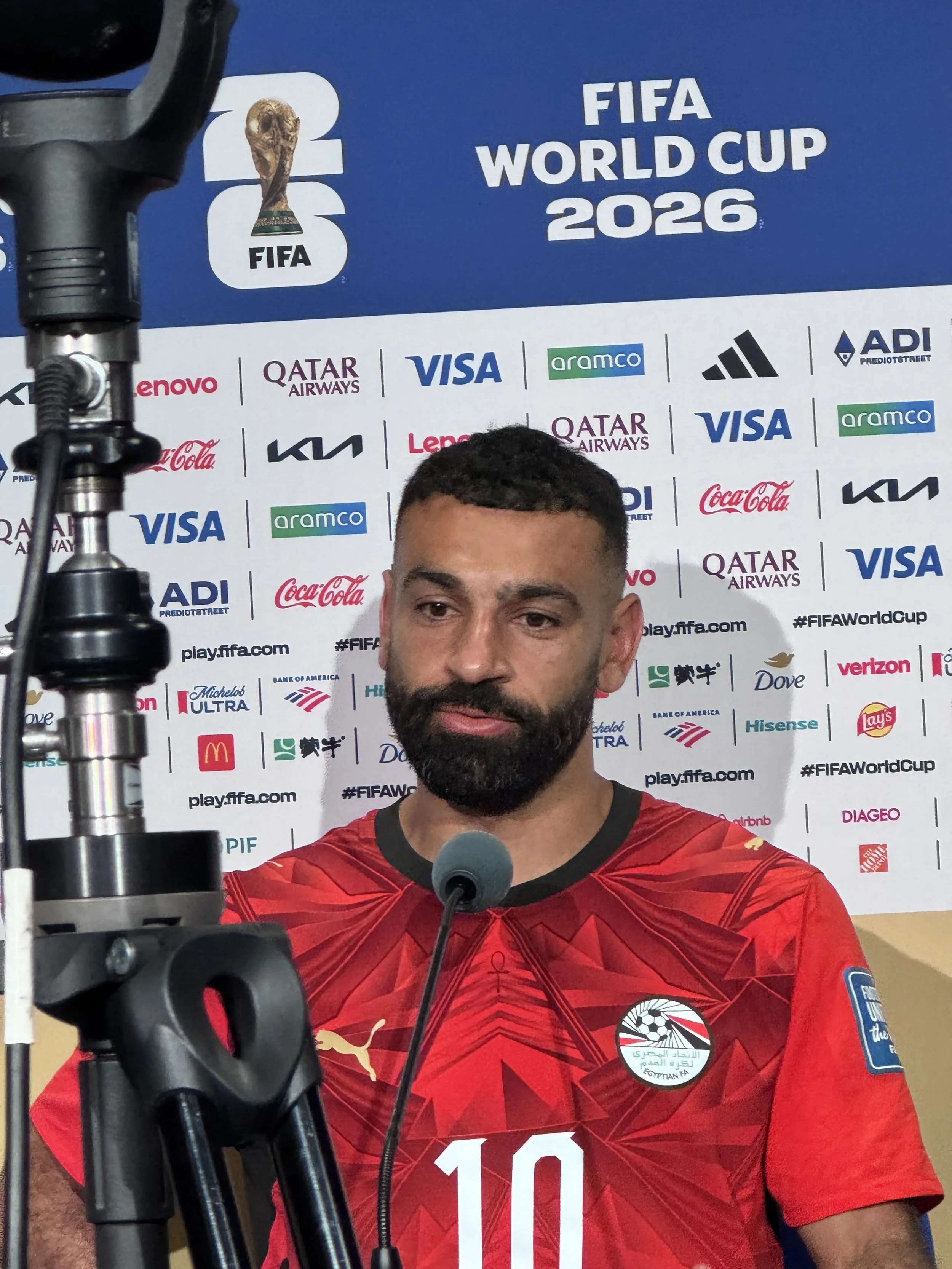
Egypt beat Australia on penalties in Dallas to reach the last 16 for the first time, with Salah's Panenka the highlight of a historic night.
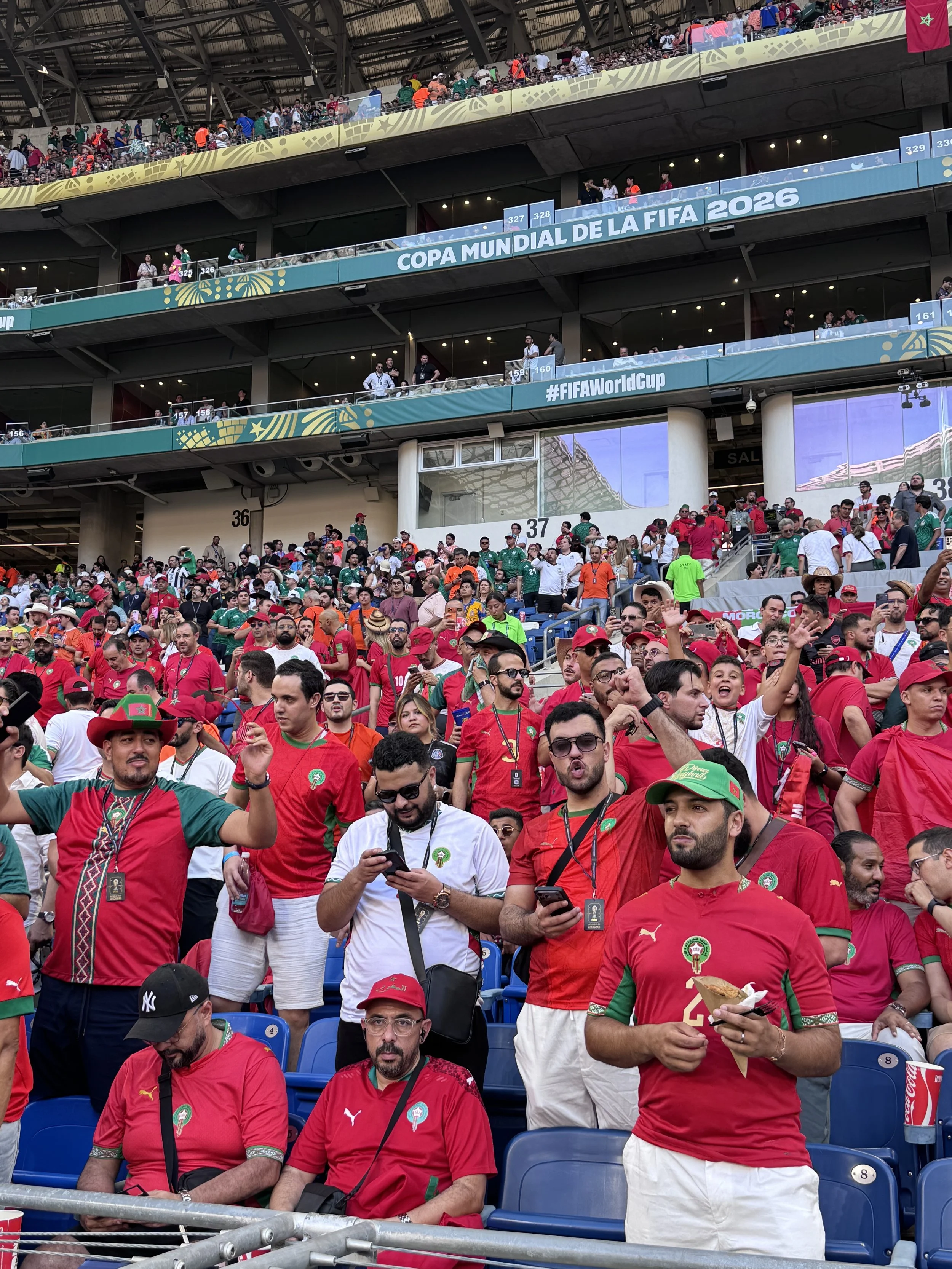
Diop headed Morocco level in the 91st minute and Saibari slotted the winner in the shootout as Morocco reached the World Cup quarter-finals.
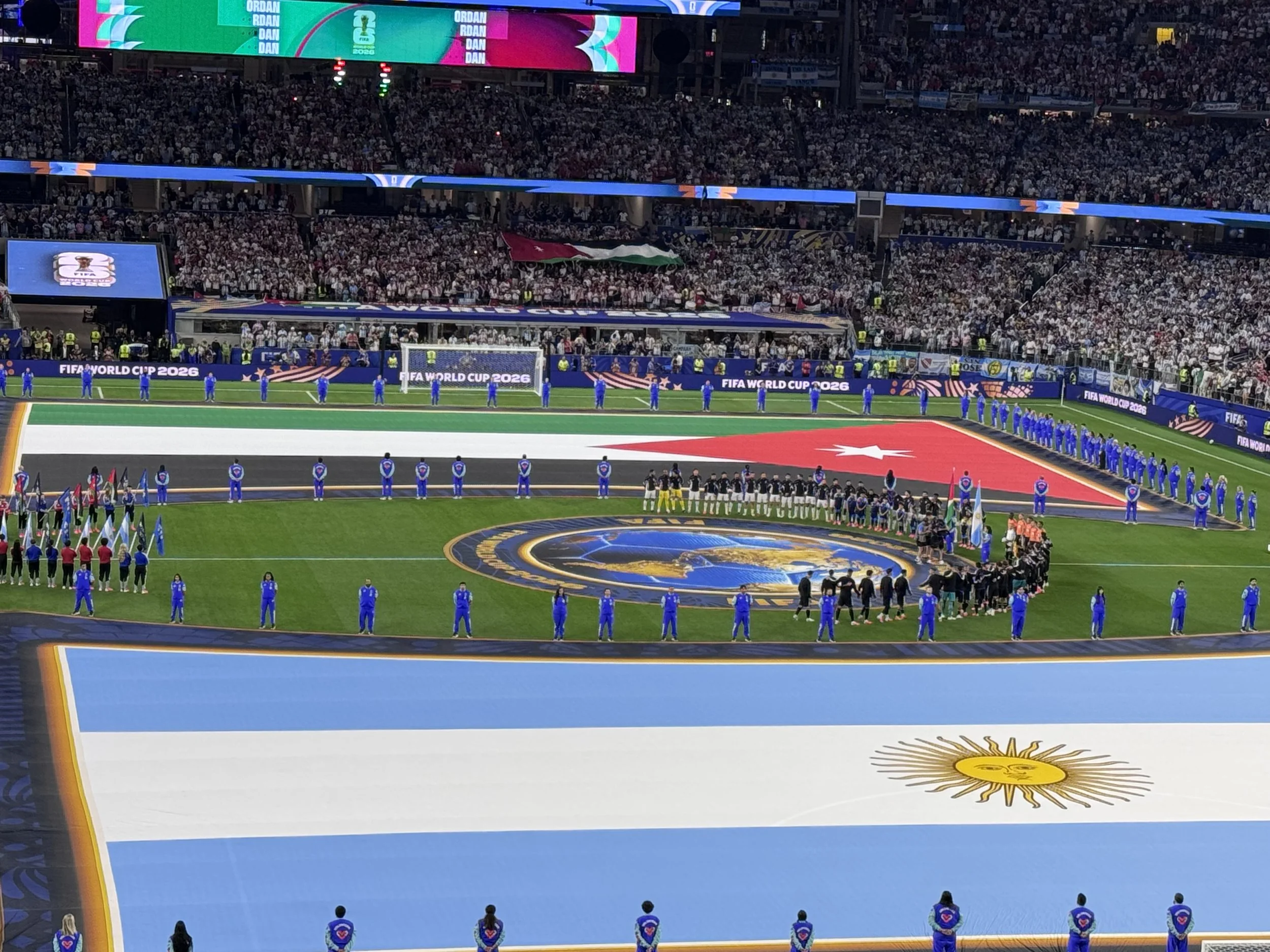
Messi and the Jordanian Messi both scored as Argentina beat Jordan 3-1 in Arlington, with records broken and keffiyehs flying in the stands.
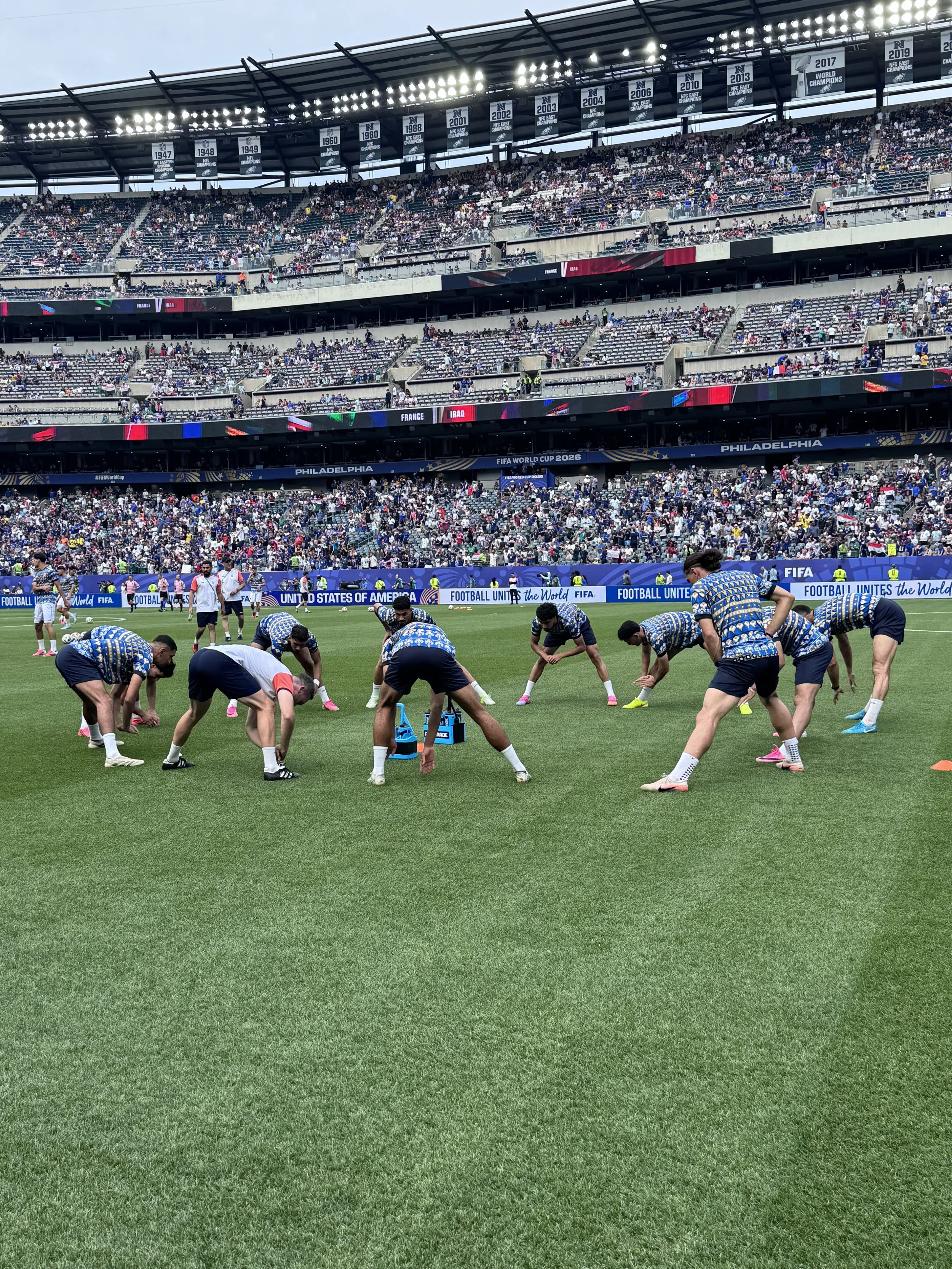
France beat Iraq 3-0 in Philadelphia, but the two-hour lightning delay stole the show, making it officially the longest World Cup game ever.
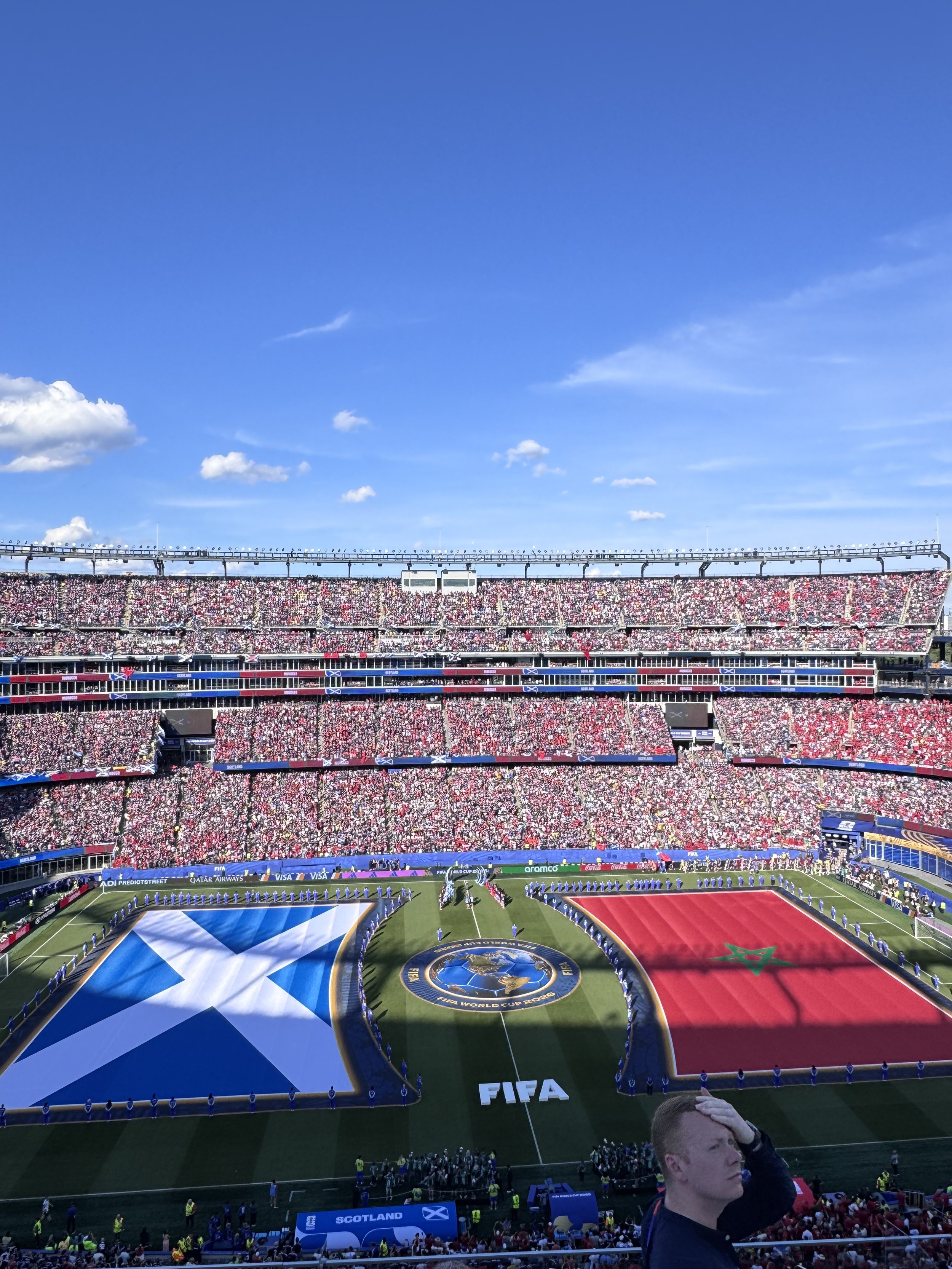
Saibari scored inside two minutes as Morocco beat Scotland 1-0 in Boston, leaving the Scots on the very brink of 2026 World Cup elimination.
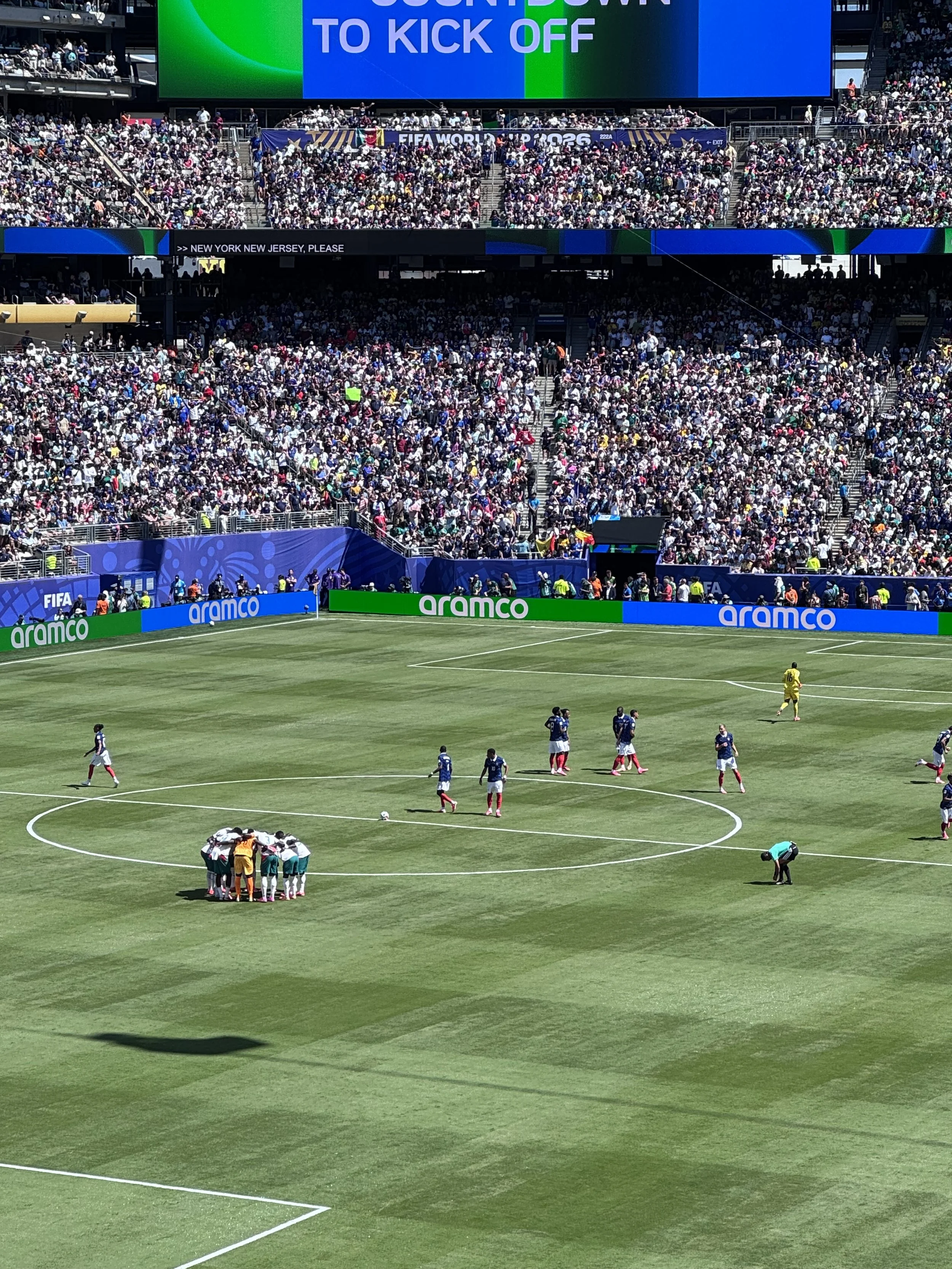
Senegal relived their legendary 2002 magic for an hour, but Kylian Mbappe struck twice to sink them and seal France's 3-1 win in New Jersey.
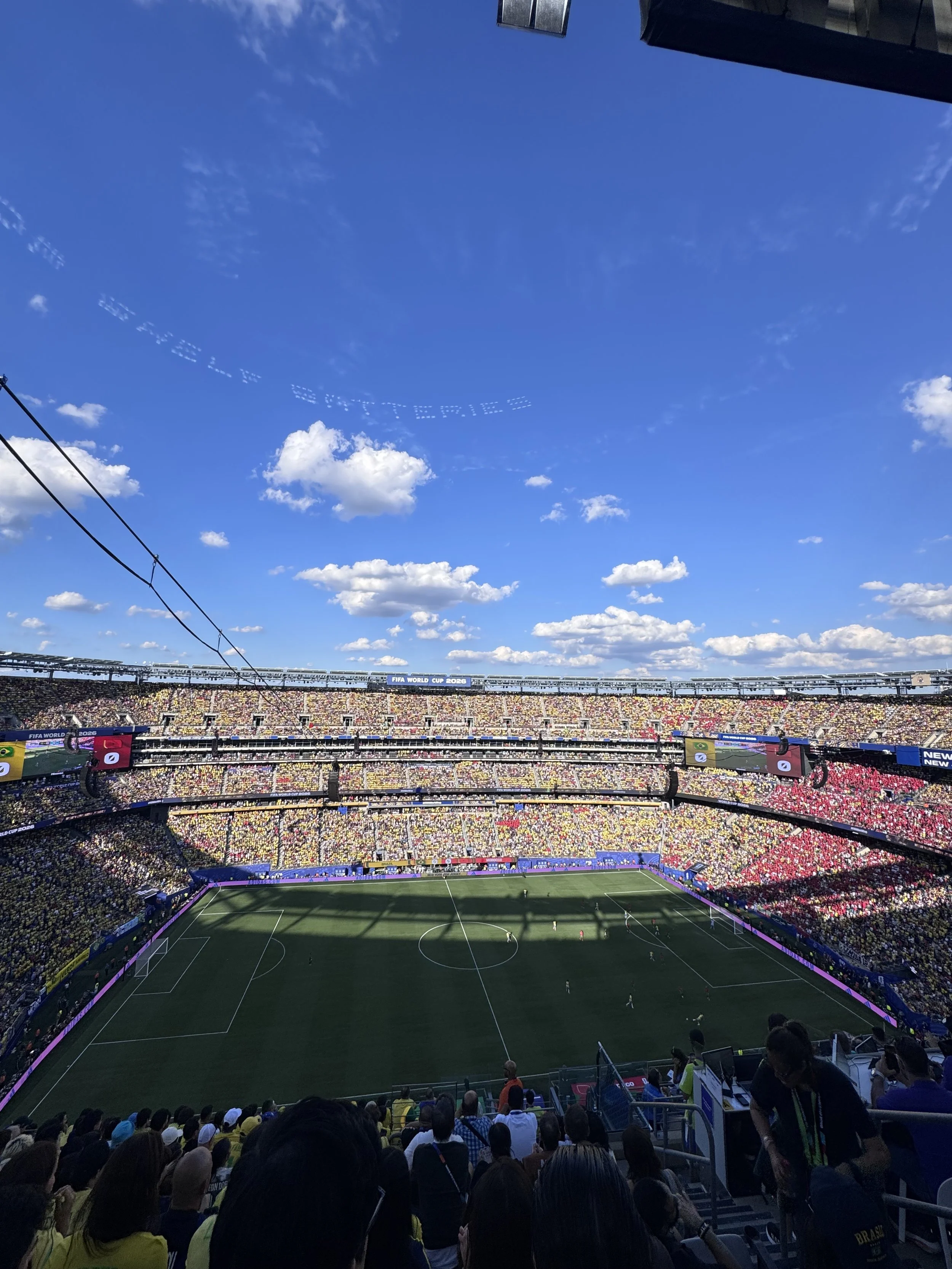
Qatar stole a last-gasp draw from Switzerland and Morocco held Brazil 1-1 — two results that announced Arab football’s full arrival at 2026.
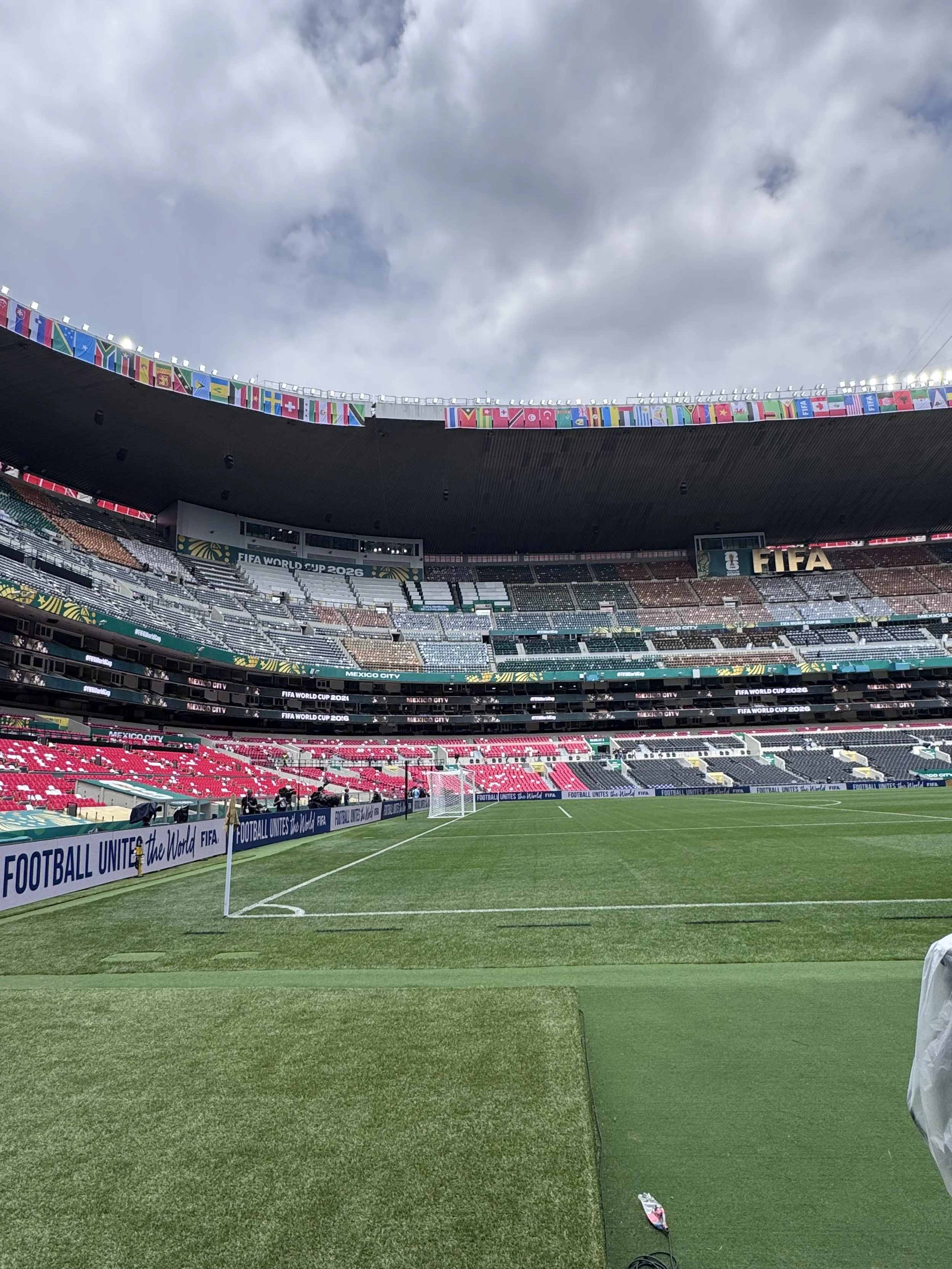
Azteca stadium hosts its third World Cup as Mexico City buzzes with pride, protest, and the deep belief that football has always lived here.
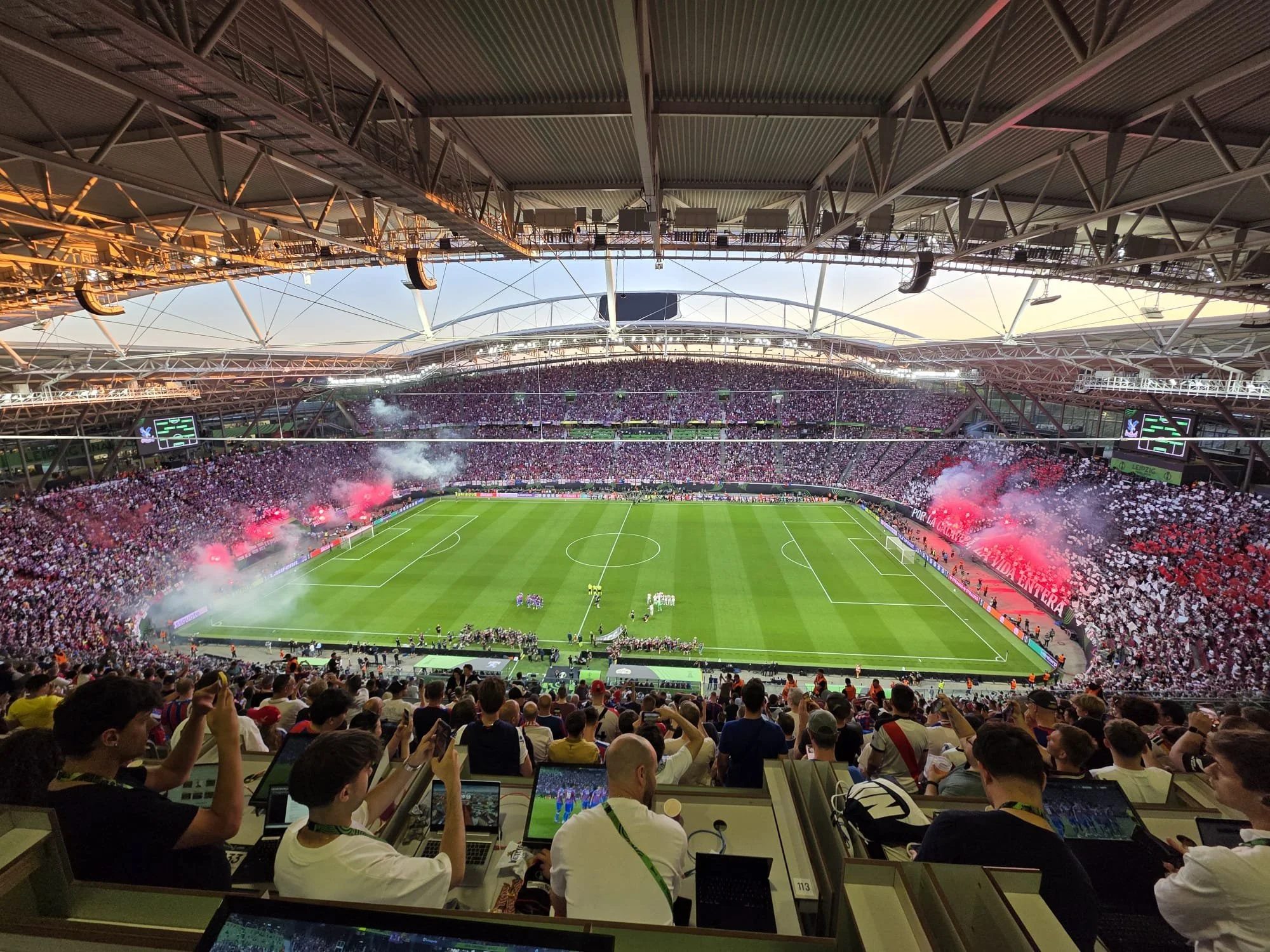
Crystal Palace beat Rayo Vallecano in Leipzig to win the Conference League in the most romantic underdog final in European football history.
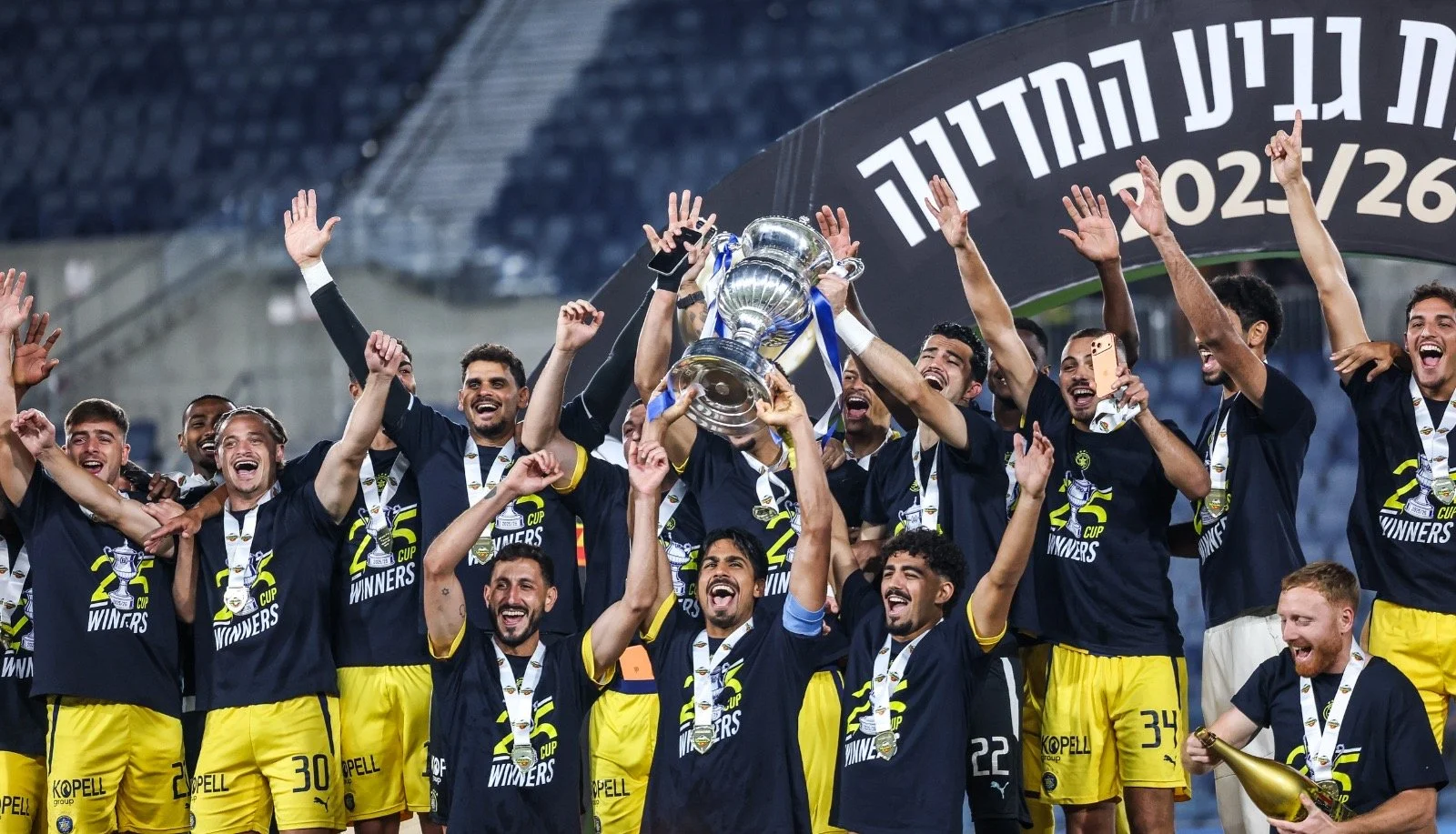
Maccabi Tel Aviv edge Hapoel Be'er Sheva 2–1 in a dramatic Israeli Cup Final at Teddy Stadium, denying the champions a historic Double.

With tensions easing, Iran’s 2026 World Cup participation remains uncertain, as FIFA, politics, and regional dynamics collide.
CAF shocks African football by stripping Senegal’s title and awarding Morocco the AFCON crown after a chaotic final decision.
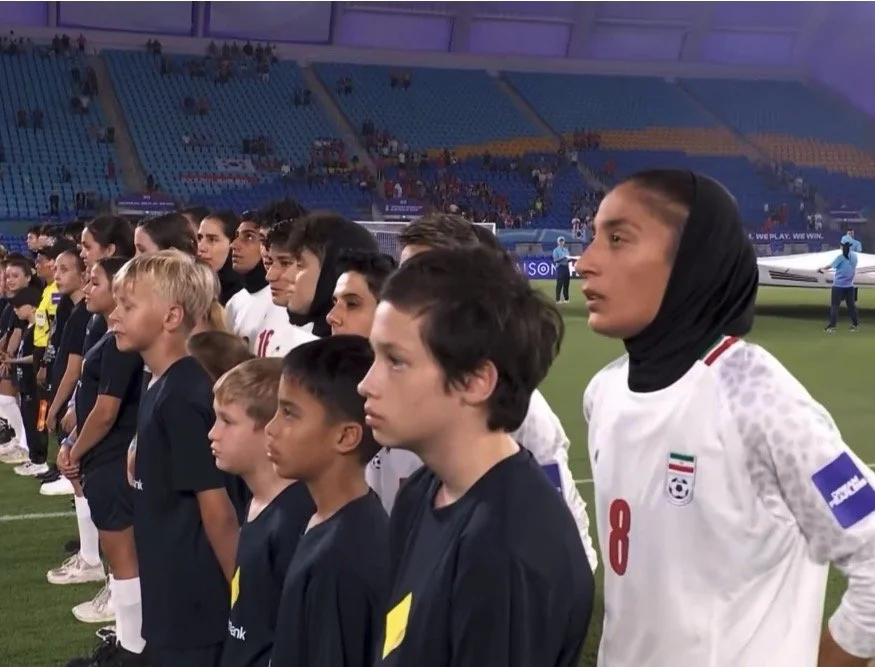
From silent protests to daring escapes, Iran’s women footballers turned a tournament into a global story of courage, politics, and survival.

Iran’s women’s team protested, faced threats, and signaled SOS in Australia—now their fate is uncertain amid calls for asylum.

From geopolitics to spectacle, Trump looms over World Cup 2026—reshaping football, power, and culture in the biggest tournament ever.
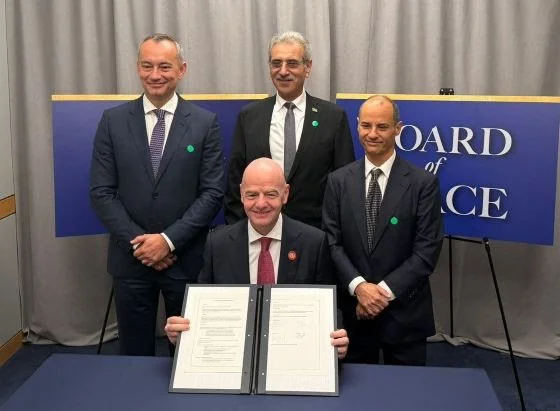

FIFA joins Gaza rebuilding plans, restoring stadiums, pitches, and youth programs, supporting football and hope in the Strip.
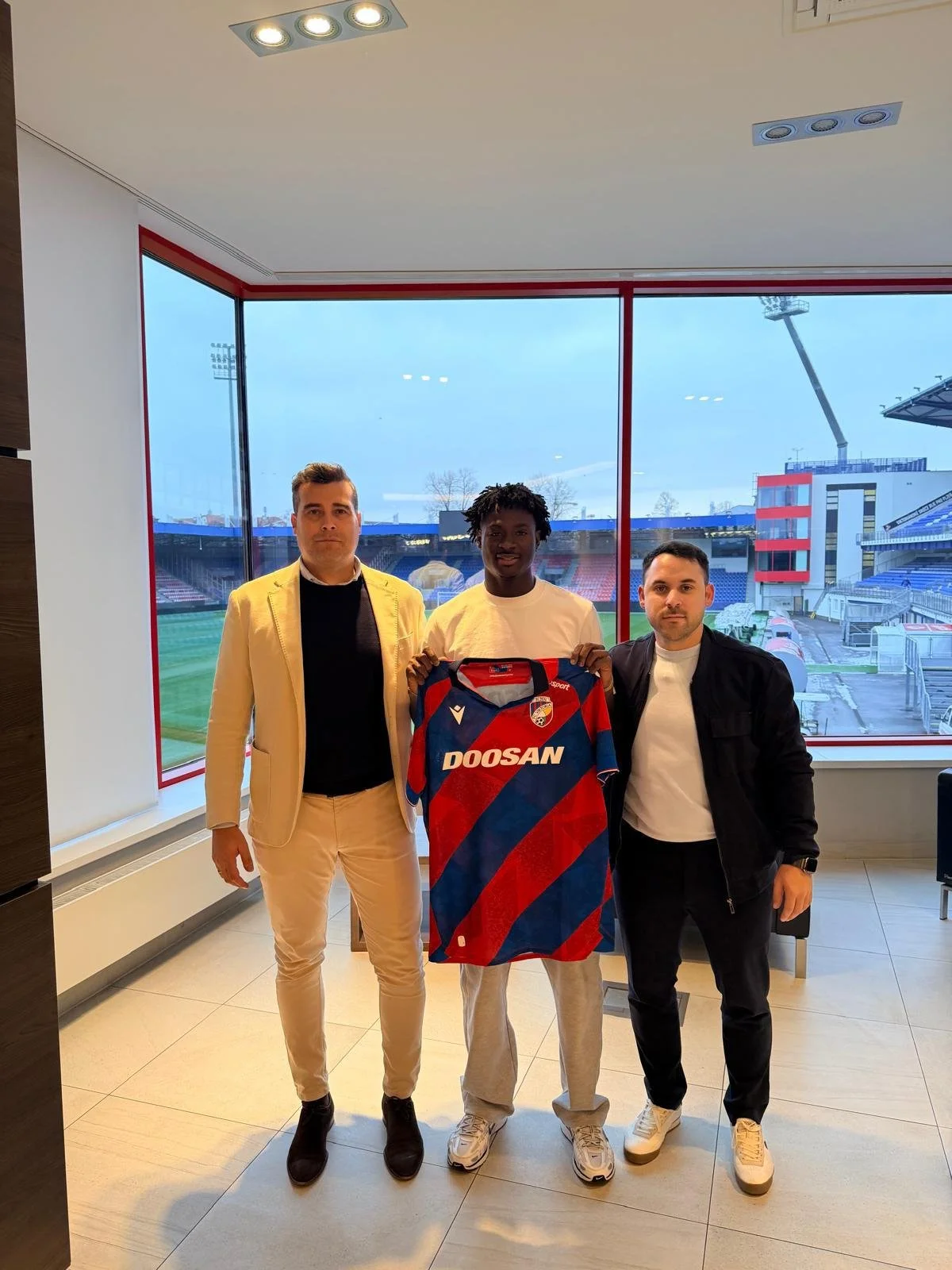
From Nigeria’s Mavlon academy to Viktoria Plzeň and the Europa League dream: Salim Fago’s journey is just beginning in Europe.
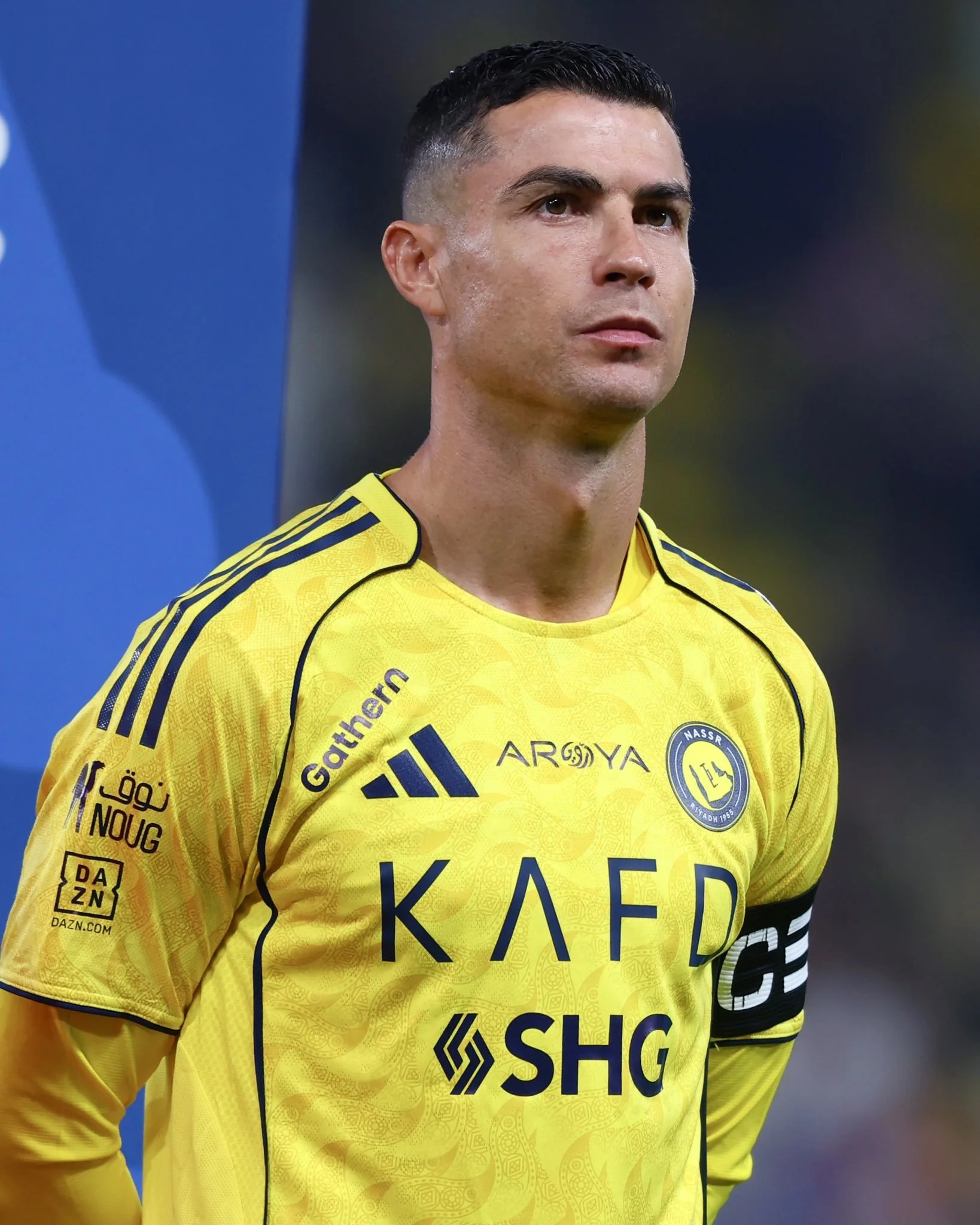
From Benzema’s shock move to Ronaldo’s protest, a chain reaction in Saudi football is shaking the entire project and the global game.
Hapoel Be'er Sheva drew 0-0 at Dinamo Zagreb to open their Europa League return, ahead of a brutal schedule and no home matches this season.